
Beyond The Pitch: How Comrade Miaphen Can Turn Youth and Sports into Plateau’s New Peace Economy
- Breaking News Front Page News Politics
Demola Abimboye
- 0
- 4 minutes read
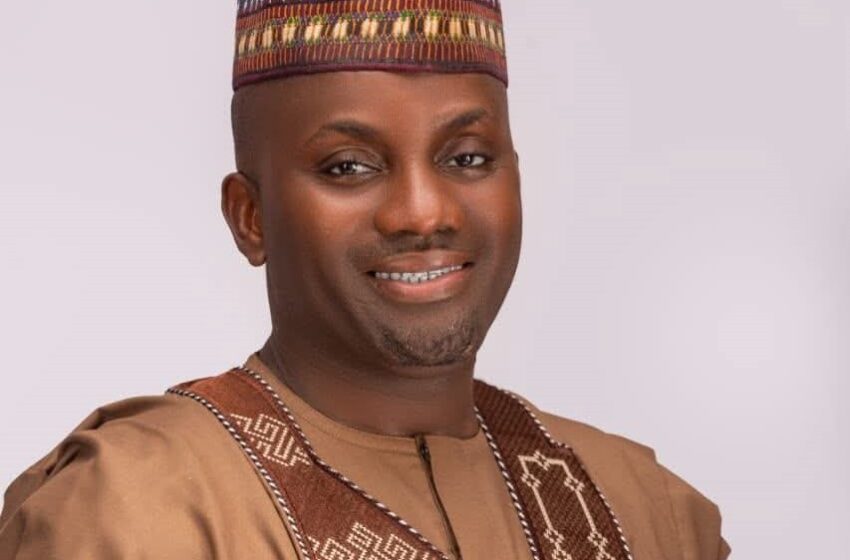
Comrade Miaphen
By Ayo Thomas
The strategic cabinet adjustment by Governor Caleb Mutfwang, which saw the swearing-in of Comrade Prince Miaphen as the new Commissioner for Youth and Sports Development, comes at a defining moment for Plateau State. For Miaphen, a seasoned grassroots leader and former student activist, this appointment is far more than a standard political posting; it is an urgent socio-economic and security rescue mission. Plateau State, long cherished as Nigeria’s “Home of Peace and Tourism,” continues to navigate complex security hurdles, illegal mining crises, and economic vulnerabilities that heavily weigh down its young population. In an environment where rural insecurity forces young farmers off fertile fields and economic desperation pushes thousands into dangerous, unregulated mining camps, the state faces a unique threat.
While national statistics paint a sobering picture of skyrocketing youth unemployment and digital exclusion, Plateau contends with an added layer of communal fragility that demands an entirely fresh governance playbook. If the new commissioner is to truly do things differently, he must view youth development not as an isolated welfare portfolio, but as an indispensable pillar of statewide stability and economic resurgence.
Restoring Plateau State to its historic status as Nigeria’s model of peaceful coexistence requires shifting the youth from being perceived as potential triggers of conflict to being the actual architects of peace. Comrade Miaphen’s pledge to work directly with the Plateau Youth sector and embark on a tour of all 17 Local Government Areas is a critical first step toward rebuilding broken communal trusts from the ground up. By embedding young people into community-led early warning systems, inter-ethnic dialogue groups, and joint economic cooperatives, the Ministry can dismantle the invisible barriers dividing neighborhoods. True peace building is sustained when young people across different religious and ethnic lines share commercial stakes, operate collaborative farm plots, and protect their shared local economy.
To breathe life into Governor Mutfwang’s transformative “Time Is Now” vision, the leadership must pivot away from temporary political palliatives toward long-term structural empowerment. A highly commendable avenue for immediate economic inclusion lies in the state’s agricultural partnerships, such as training initiatives with the International Institute of Tropical Agriculture (IITA) and agribusiness revivals at the BARC Farm Youth Project. By absorbing rural and semi-urban youth into sustainable, modern agro-allied industries, the state can systematically divert young minds away from hazardous illegal mining sites and the enticing traps of political thuggery. This economic shielding must be fortified by bridging the contemporary digital divide; transforming spaces like the Dadin Kowa and Azi Nyako youth centers into functional technology and outsourcing hubs will directly link local talent to the global digital marketplace.
Crucially, the success of this ministry hinges on treating sports not merely as a recreational hobby, but as a multi-billion-naira industry capable of massive job creation. While football heavily dominates the local spotlight, a progressive agenda must actively champion lesser-funded sports like athletics, basketball, and indoor games to maximize talent discovery. The ongoing facility renovations at the Rwang Pam Township Stadium and the Jos International Stadium must be treated with absolute urgency. Beyond providing state-of-the-art arenas, a deliberate investment in grassroots sports development across all local districts will establish sustainable pipelines for young athletes, coaches, and administrative personnel. By hosting structured school sports festivals and eagues, the state can capture the immense creative energy of its youth and transform sports into a reliable engine for wealth generation and tourism.
Furthermore, a comprehensive approach to youth well-being cannot ignore the mental health crisis and social vulnerabilities triggered by years of intermittent community crises. Introducing accessible trauma-healing programs, substance abuse rehabilitation, and aggressive civic education campaigns is vital to creating a resilient, clear-headed generation ahead of future civic cycles. There is no doubting the fact that Comrade Prince Miaphen possesses the vibrant energy, personal accountability, and deep-seated grassroots trust necessary to turn this ministry into a flagship of success. However, even the most innovative strategies will stall without heavy administrative backing. We passionately appeal to His Excellency, Governor Caleb Mutfwang, to continuously grant the new commissioner the robust budgetary funding, political capital, and unhindered cross-ministry support required to execute this grand vision. Fully empowering this ministry is the single most direct and profitable investment the administration can make to secure a peaceful, productive, and prosperous future for the entire Plateau State.
Ayo Thomas is a Project Management Expert, Fellow, American Academy of Project Management [AAPM], Youth Development, Civil-Military relations and peacebuilding Advocate.